

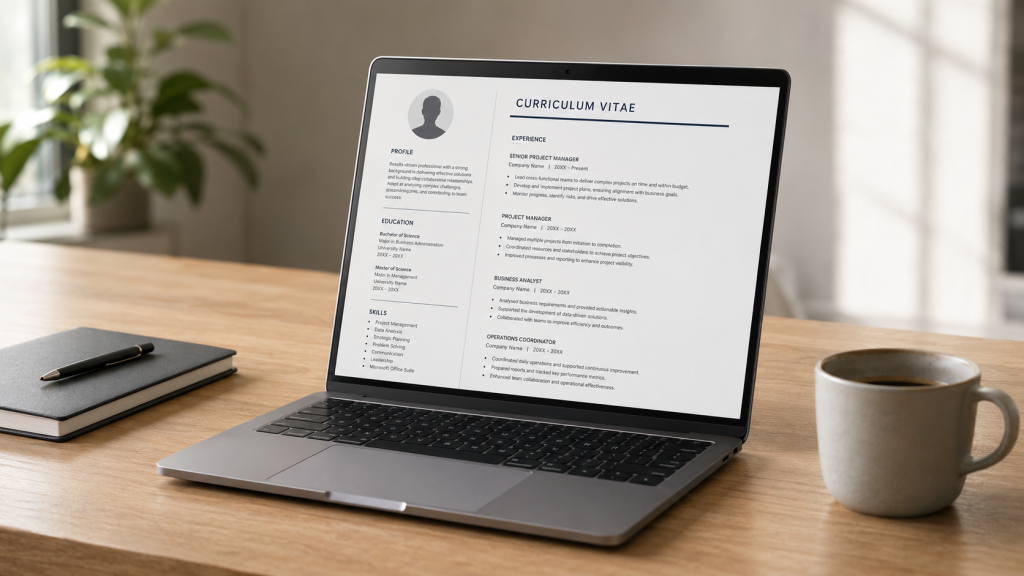
Your CV (or résumé, depending on location) remains one of the most important tools in any job search. In 2026, it must work for both human recruiters—who often spend just a few seconds scanning—and automated systems. Over 98% of Fortune 500 companies use applicant tracking systems (ATS) or AI screening tools before a person ever sees an application, so clean structure, relevant keywords, and measurable results matter more than ever.
A strong modern CV is targeted, achievement-focused, and easy to parse. Here’s an updated, practical guide based on current best practices.
1. Choose the Right Format
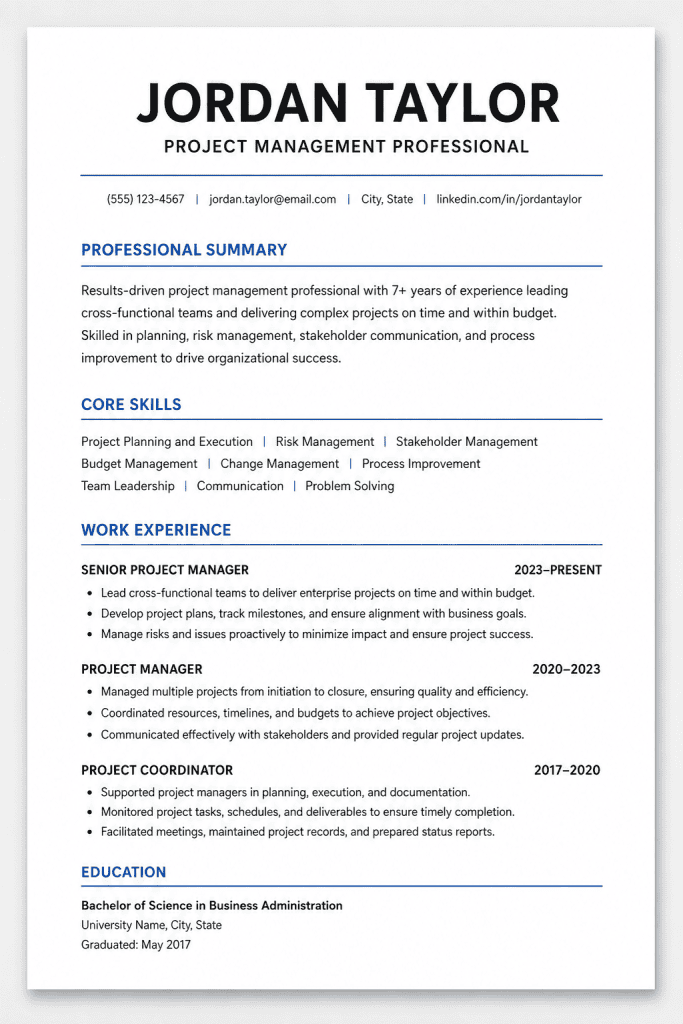
The reverse-chronological format is still the clear winner for the vast majority of candidates and roles in 2026. List your most recent experience first, then work backward. Recruiters and ATS systems expect this structure because it quickly shows career progression.
- Functional (skills-based) formats can help if you have major career gaps or are switching fields, but many recruiters view them with suspicion because they can hide timeline issues.
- Hybrid/combination formats blend the two and work for some mid-career pivots, but reverse-chronological remains the safest default.
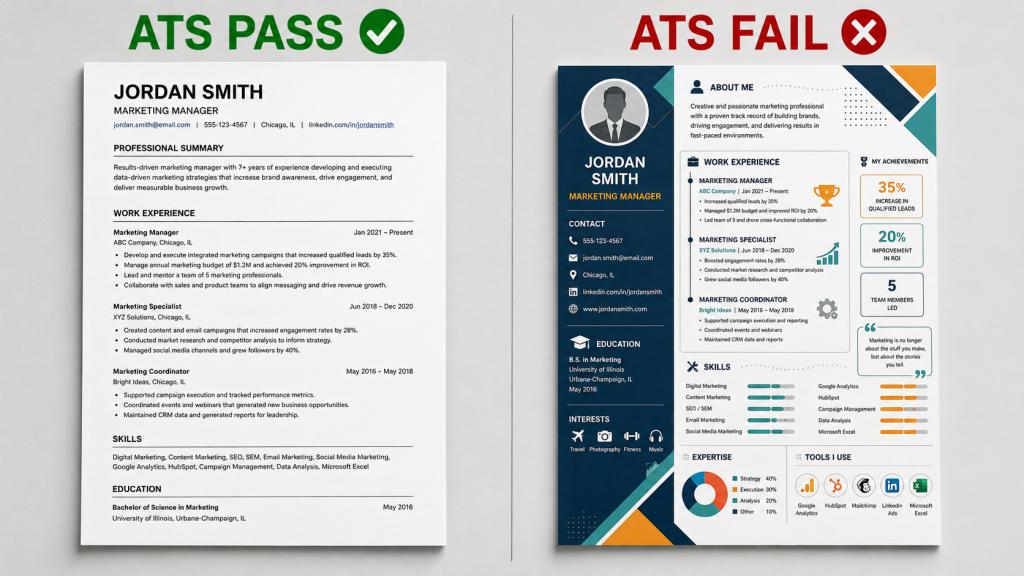
Keep the layout single-column, with standard headings, consistent spacing, and plenty of white space. Avoid multi-column designs, tables, text boxes, icons, graphics, or photos—these frequently break ATS parsing.
Use clean, professional fonts such as Arial, Calibri, Helvetica, or Garamond in 10–12 pt for body text (14–16 pt for headings). Margins of 0.5–1 inch work well. Aim for 1–2 pages for most professional roles (longer only for academic, research, or highly senior positions). Save as a text-based PDF or .docx unless the employer specifies otherwise.
2. Add Clear, Professional Contact Information
Place this at the top in plain text (not in a header or footer):
- Full name (largest text on the page)
- Phone number
- Professional email address
- City and country/region (full street address is usually unnecessary)
- LinkedIn profile URL and/or personal website/portfolio/GitHub if relevant
Ensure everything is accurate and up to date. Recruiters will check these details and often review your LinkedIn.
3. Write a Targeted Professional Summary (Skip the Old Objective)
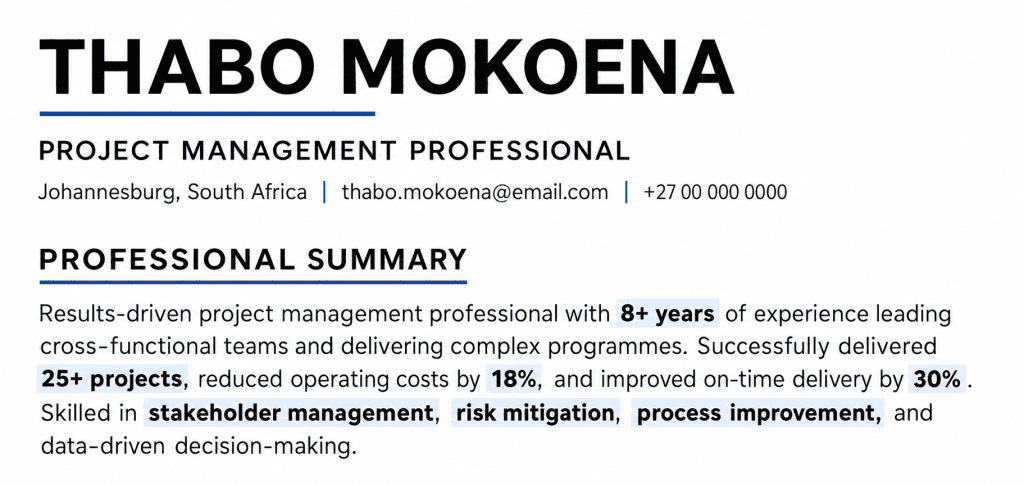
Start with a concise 2–4 line professional summary that highlights your experience level, key strengths, and the value you bring. Tailor it to the specific role.
Modern summaries focus on what you can deliver, not what you want. Objectives (“Seeking a challenging position…”) are largely outdated and less effective.
Example (for a marketing role):
“Digital marketing specialist with 6 years driving growth for SaaS and e-commerce brands. Increased organic traffic 140% and improved conversion rates 28% through SEO, content strategy, and data-driven campaigns. Expert in Google Analytics, HubSpot, and performance marketing.”
4. Highlight Relevant Skills
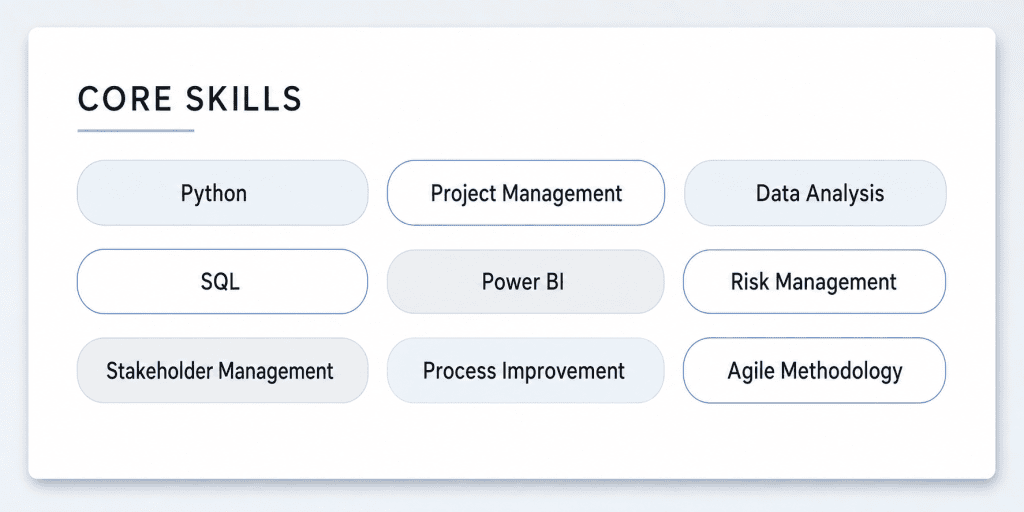
Include a dedicated Skills or Core Competencies section early (often right after the summary). Pull keywords directly from the job description—tools, technologies, methodologies, and soft skills that match. List them clearly so both ATS and humans can scan them quickly. Group if helpful (e.g., Technical Skills, Languages, Soft Skills).
Only include skills you can confidently discuss.
5. Detail Your Work Experience with Measurable Achievements
List roles in reverse-chronological order. For each entry include:
- Job title
- Company name and location
- Dates (month/year – month/year or “Present”)
- 3–6 bullet points focused on results, not just duties
Lead with strong action verbs and quantify impact wherever possible. Use frameworks like Google’s XYZ formula (“Accomplished [X] as measured by [Y] by doing [Z]”) or STAR (Situation, Task, Action, Result).
Weak: “Responsible for managing social media accounts.”
Strong: “Grew Instagram following from 1,200 to 8,400 in five months and increased engagement 65% through consistent content calendars and targeted community management.”
If you have limited paid experience, include relevant internships, volunteer work, projects, or freelance work. Prioritize the most recent and relevant roles.
6. Build a Clear Education Section
List institutions in reverse-chronological order with degree, major, graduation date (or expected), and location. Recent graduates or those with limited experience should place education higher and expand it with relevant coursework, academic projects, honors, study abroad, or leadership roles.
More experienced professionals can keep this section brief unless the degree is particularly relevant or recent.
7. Add Supporting Sections as Needed
Depending on the role and your background, include:
- Certifications and professional development
- Publications, presentations, or patents (especially for academic/research CVs)
- Languages (with proficiency levels)
- Awards and honors
- Volunteer work or professional affiliations
- Selected projects or a portfolio link
Keep these concise and relevant.
8. Use Templates Wisely—and Prioritize Substance
Templates can speed up formatting, but choose simple, ATS-friendly ones. Fancy designs often look impressive to you yet fail automated screening. Clean, professional layouts that put content first consistently outperform decorative ones.
Customize every application. Mirror language and keywords from the job description naturally throughout the summary, skills, and experience sections.
9. Pair It with a Strong Cover Letter (When Requested or Helpful)
A tailored cover letter still adds value, especially for roles that request one. Use it to expand on key achievements, explain fit, and show genuine interest. Keep it concise (half to one page) and focused on the employer’s needs.
Final Checklist for 2026
- Tailored to the specific job (keywords + relevant achievements)
- Reverse-chronological, single-column, standard headings
- Quantified results in most bullets
- Clean, ATS-readable formatting and fonts
- No typos, inconsistent dates, or outdated contact details
- Proofread carefully (and have someone else review it)
- Saved in the preferred file format with a professional filename (e.g., FirstName_LastName_CV.pdf)
A modern CV is not a complete life history—it’s a targeted marketing document that proves you can deliver results. Update it regularly, test it against job descriptions, and focus on clarity and impact. Done well, it dramatically improves your chances of landing interviews in today’s competitive market.